
Retirement Activities That Support an Engaged Lifestyle
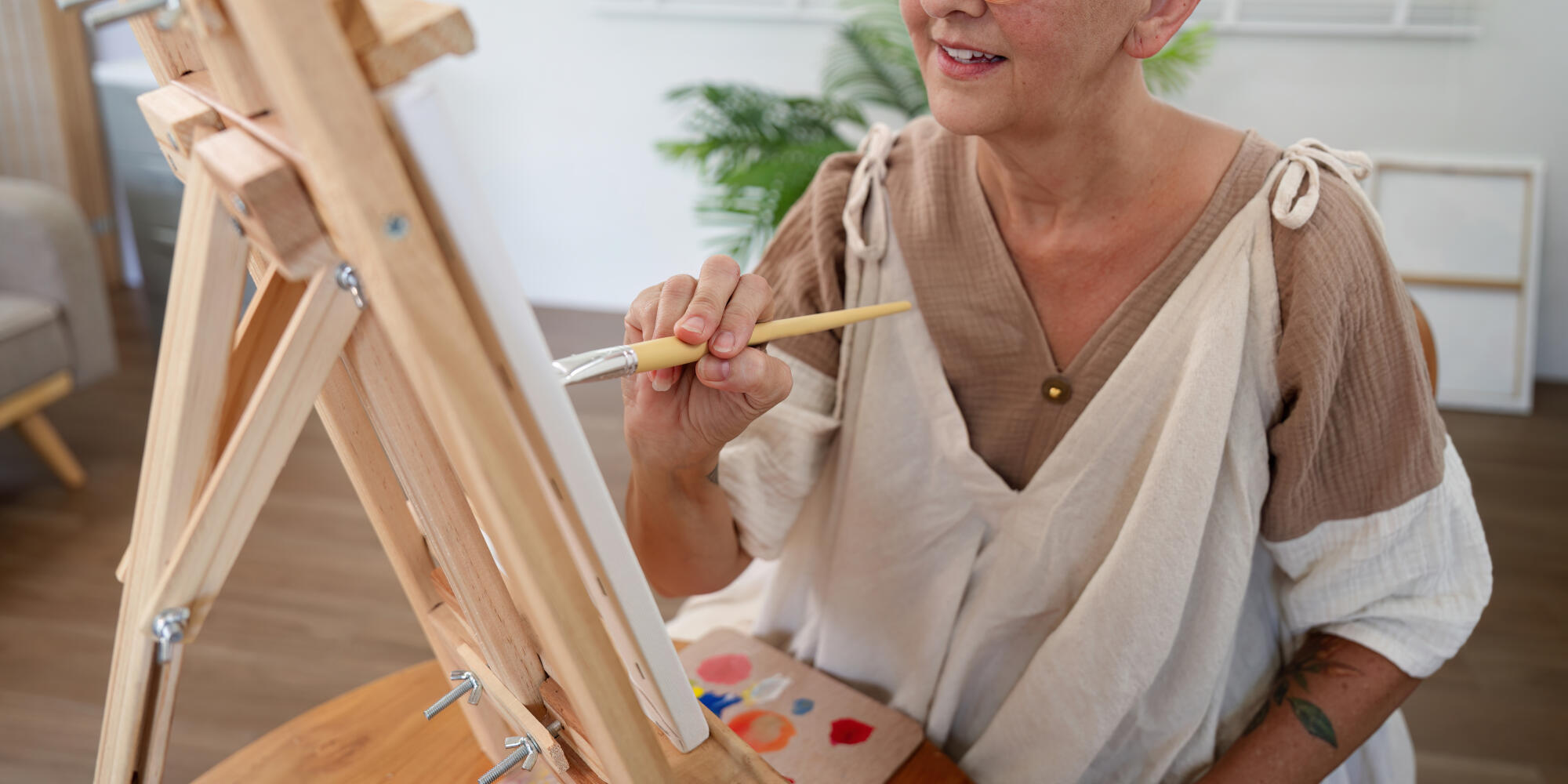
Retirement activities such as weekly art classes or group fitness programs bring structure and purpose to each day. Meaningful participation in senior lifestyle activities fosters a deeper sense of personal fulfillment.
According to the Transamerica Institute, 4 in 10 U.S. retirees indicated their enjoyment of life and happiness have improved since they retired. Retirement living engagement promotes belonging through shared community experiences.
Senior social opportunities provide meaningful ways for retirees to connect with others. Daily engagement helps seniors maintain consistent routines and mental sharpness.
Explore how to foster an active retirement community life for seniors in Ormond Beach, FL, below.
What Are the Benefits of Creative Retirement Activities for Seniors?
Research from EpiArts Lab found that older adults who participated in creative hobbies were 20% less likely to become depressed than those who didn't have creative hobbies. Creative activities also help seniors maintain better mental sharpness.
Examples of creative retirement activities for seniors include:
- Painting
- Drawing
- Writing
- Journaling
- Playing music
- Singing
Painting provides an outlet for personal expression. Writing encourages reflection. Music offers a way to explore emotions.
During group sessions, residents connect with peers. Engaging in shared projects demonstrates progress and builds confidence.
Weekly creative programs create structure in daily life. Because of this, residents can feel a sense of accomplishment from completing creative work.
By participating in artistic pursuits, seniors can support overall emotional well-being.
How Do Physical Exercise Programs Improve Retirement Health?
The CDC reports that U.S. seniors over the age of 65 should engage in a minimum of 150 minutes per week of moderate-intensity exercise. Older adults also need 2 days per week of strengthening exercises.
Exercise is a vital component of helping residents sustain optimum health. Gentle stretching eases joint stiffness and improves flexibility. Strength training lowers the risk of falls.
Establishing routines makes physical activity a fulfilling part of everyday life. Physical activity supports cardiovascular health.
Active participation in exercise programs helps seniors maintain their independence.
Which Social Clubs Help Seniors Stay Connected?
Social clubs provide natural opportunities for connection in active retirement. Residents can choose from senior lifestyle activities that match their interests and energy levels.
Book clubs invite discussion and encourage members to share personal insights. Card clubs create low-pressure opportunities for social interaction.
Gardening clubs bring residents together to care for shared spaces. Volunteer committees unite neighbors around meaningful service projects.
Faith-based gatherings foster fellowship within a supportive environment. Art appreciation groups spark dialogue through shared experiences.
Interaction in social clubs helps residents form meaningful friendships that enhance retirement living engagement.
How Can Lifelong Learning Enhance Mental Wellness in Retirement?
Seniors enjoy exploring new subjects that challenge their thinking and spark curiosity. There's always something new to explore.
Older adults can study topics like:
- Languages
- History
- Technology
- Art
- Environmental science
- Creative writing
Encouraging active problem-solving promotes mental agility. Attending workshops lets residents meet others with shared interests and exchange ideas.
Practicing new skills sharpens memory. Discussing their discoveries with peers builds confidence and excitement. Mastering unfamiliar material motivates continued study.
Through lifelong learning, residents feel stimulated and gain confidence. Applying new knowledge in practical ways enriches daily life.
What Role Do Volunteer Opportunities Play in Senior Engagement?
Volunteer opportunities give seniors purpose and accomplishment. Assisting in local community projects allows residents to use their skills meaningfully.
Organizing events fosters leadership. Mentoring others encourages personal responsibility. Ongoing involvement provides intentional daily routines.
Service activities promote social interaction. Residents can strengthen peer relationships through participation in community projects. Contributing to causes they care about builds pride and satisfaction.
When their efforts make a tangible difference, seniors feel more valued. Volunteering supports mental stimulation and emotional well-being for retired adults.
How Do Travel and Excursions Support an Active Retirement?
Travel and excursions give seniors opportunities to explore new places. Stimulating the mind encourages curiosity and mental alertness.
Different experiences offer new perspectives. Visiting cultural sites or natural landmarks allows them to learn and engage with history and art up close.
Group trips let seniors enjoy shared experiences with friends. Preparing for outings gives residents something to look forward to.
Experiencing different environments promotes physical activity. Seniors feel invigorated and inspired after participating in excursions.
How Can Seniors Use Technology to Stay Connected and Keep Learning?
Residents benefit from technology that keeps them engaged with friends and family. Video calls allow seniors to maintain relationships across distances.
Exploring new apps or programs allows them to connect with friends in meaningful ways. Learning new programs challenges the mind and fosters confidence.
Seniors often feel more independent when using technology. Digital tools can spark curiosity and encourage residents to try new activities that interest them.
Frequently Asked Questions
How Can Retirement Communities Encourage Participation in Activities?
Communities can offer programs that match residents' interests and abilities. Staff can personally invite seniors to join in through friendly guidance.
Making residents feel welcome helps them participate more confidently. Recognizing achievements encourages continued involvement.
Dedicated schedules help residents plan daily activities. Having accessible activity spaces lets everyone join comfortably.
Are Online or Virtual Programs Effective for Senior Engagement?
Yes. Virtual programs allow seniors to participate in activities from home. Residents gain confidence as they navigate technology.
Using video classes encourages learning and focus. Discussion groups provide social interaction. Online workshops stimulate the mind and challenge thinking.
Flexible scheduling makes programs accessible for those with mobility or timing limitations.
What Are Simple Ways Seniors Can Start a New Hobby?
Seniors can begin by choosing activities that match their interests and abilities. Trying small, manageable projects helps build up confidence levels.
Joining beginner classes or local groups provides guidance and social support. Setting aside consistent hobby time encourages habit formation.
Exploring hobbies gradually allows residents to enjoy learning without pressure.
Experience Retirement Living at Ormond in the Pines Senior Living in Ormond Beach, FL, Today
Retirement activities encourage seniors to explore new interests. Participation provides opportunities to connect with others and build friendships. Engaging in meaningful pastimes keeps the mind active and daily life enjoyable.
Ormond in the Pines Senior Living, located in Ormond Beach, FL, offers Independent Living and Assisted Living options. Our Exclusive Senior Living Programs provide seniors with engaging activities and personalized support. We strive to create a vibrant community for all our residents.
Contact Ormond in the Pines to schedule a community living tour with us today.